
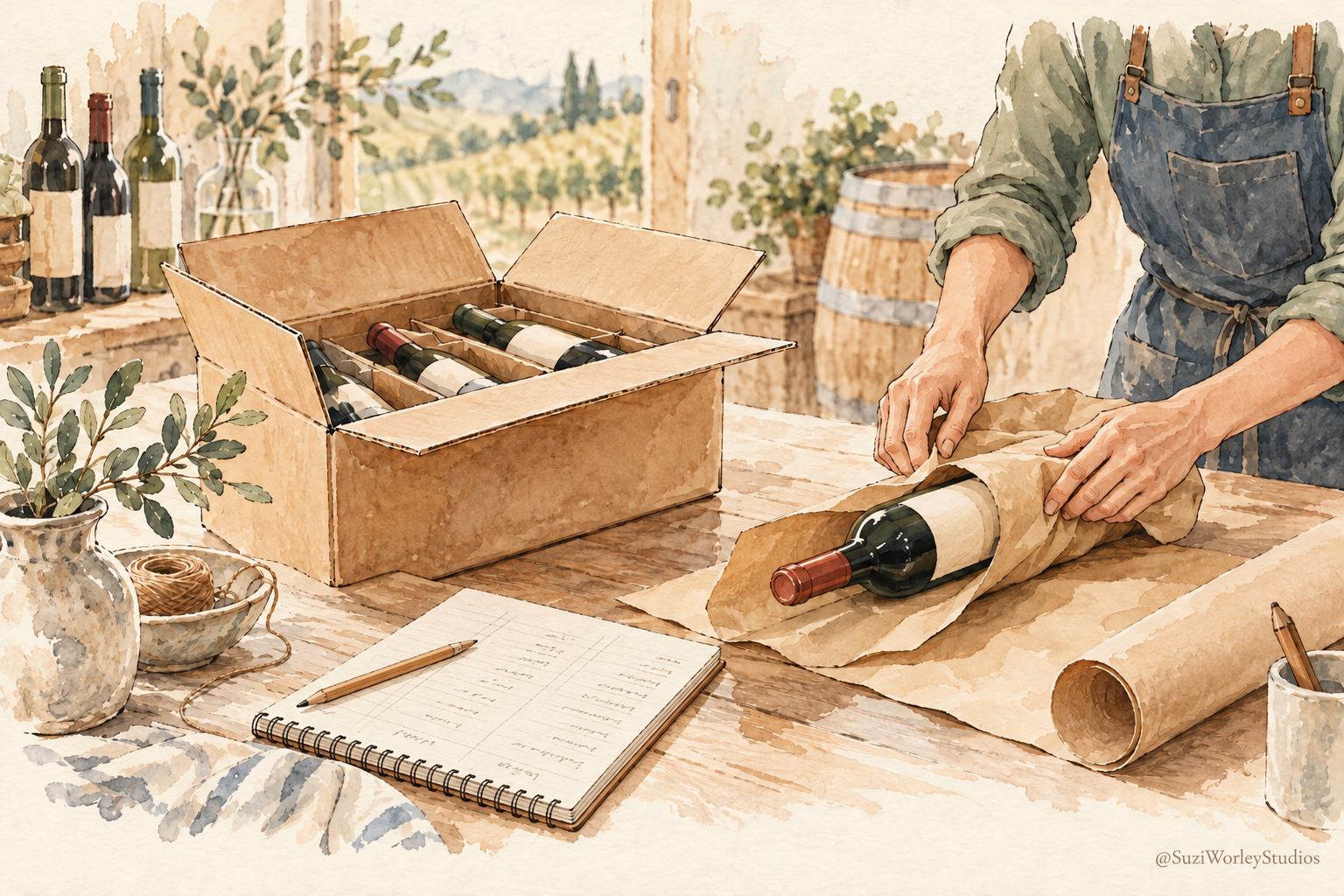
The gift may be free. The work behind it isn’t.
There’s a hidden cost to generosity that often gets lost in the ask.
When I worked for a family-owned Santa Cruz Mountain winery, people were always asking for free wine.
A fundraiser. An event. A cause. And frequently, the promise of “exposure” dangled like a carrot.
There were worthwhile requests. But there were also more requests than the owners could reasonably fulfill.
Instead of giving a quick yes, each time, the family allocated a certain number of cases to use for causes they wanted to support. We tracked every donation, from single bottles up.
It was easy to follow. And when that month’s donation allocation was spoken for, it was easy to say no. If a family member had a special cause, they still had to use the process and knew to get their request in early.
Everyone knew what was available, what was promised, and when we had reached our limit.
I think about that approach as November brings gratitude into focus and Giving Tuesday approaches. Businesses are asked to contribute products, gift cards, sponsorships, professional services, and expertise. There are plenty of good reasons to give.
But there’s something we need to account for before saying yes.
There’s a hidden cost to generosity that often gets lost in the ask.
The person asking sees a bottle of wine, a gift basket, or a few minutes of your expertise. Behind that gift are materials, someone’s time, and work that may need to wait.
Someone has to prepare the donation, record it, arrange the pickup, and follow up when it’s still sitting there a week later. A donated service needs space on a calendar. Complimentary artwork still needs a designer.
The same goes for staying open late or opening outside your posted holiday hours. “We can do that for you” may mean someone else rearranges their evening. That time belongs in the decision, too.
The recipient receives it for free. The business still has to deliver it.
And sometimes, the person doing that work wasn’t part of the conversation.
“I told them you could help.”
“It should only take a few minutes.”
“We’re doing this one as a favor.”
Those sentences can commit someone else’s afternoon before they’ve even heard the request.
I’ve also found that generosity without a gatekeeper tends to invite more requests. One exception becomes the reason for the next.
“You did it for them.”
That’s an awkward conversation, and often, the team member who has to field it had no say in the original decision. They’re left explaining a boundary someone else made an exception to.
Generosity Needs a Gatekeeper
It’s a little like opening the cattle pen and thinking only the ones you intended to let out will move. Once that gate is open, you’d better have someone watching it.
For us, the donation allocation was that gate. We could choose what to support, track our commitments, and close it when we’d given what we could for the month.
It also helped us avoid making each decision based on who asked most persistently or who happened to catch someone at the right moment.
That matters. A business’s giving should reflect its values and capacity. And the people responsible for delivering those gifts need to know what has been promised.
The same thinking applies to “exposure.”
Exposure can have value, but it deserves a closer look. Who will see your business? Are they people you’re trying to reach? What, specifically, is being offered in return?
A cause can also be worth supporting simply because you believe in the work. You don’t need to justify every donation as marketing.
You do need to know what you can afford to give.
Give Within Your Means
For a service business, that might mean a set number of donated hours. For a shop, a monthly product allowance. Whatever the contribution, count the time required to fulfill it, too.
Then keep a record and give someone responsibility for managing it.
When the allocation is committed, you have a clear answer:
“We’ve already committed our donations for this month.”
You don’t have to decide that a cause is unworthy to recognize that your business has reached its limit.
This season, leave room for generosity. And extend some gratitude to the people who make it happen—the person packing the box, fitting the work into the schedule, or following through on the promise.
Their contribution belongs in the decision, too.
Making a plan for generosity helps you keep being generous.